

Also available in:
 Deutsch (German)
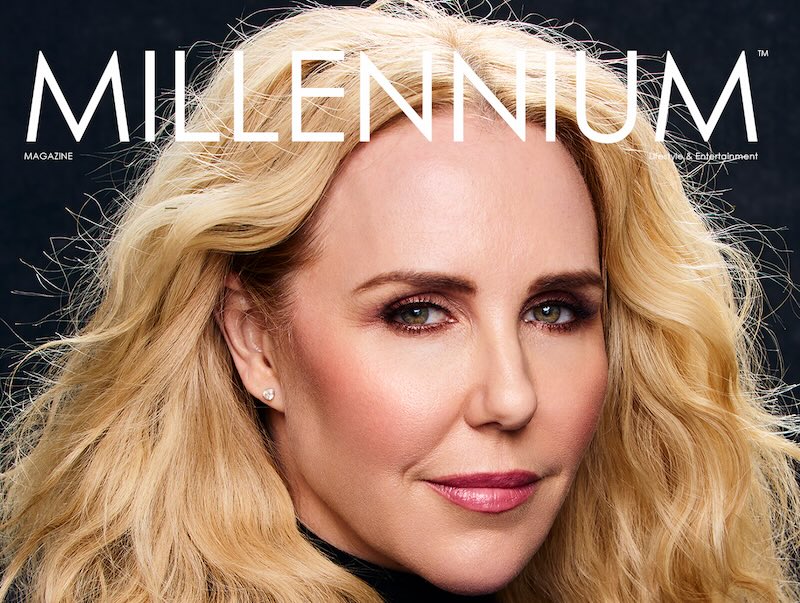
In the current issue of Millennium Magazine, American photographer, director, producer, and podcast host Holly Randall graces the cover. The New York-based lifestyle and entertainment magazine targets an affluent, trend-conscious audience and blends topics from business, culture, fashion, beauty, and entertainment in a mix of digital flipbook and high-end print edition. In the in-depth interview titled “Holly Randall Explains Why More Celebrities Are Turning to OnlyFans,” the industry icon speaks openly about the growing importance of subscription and fan platforms, the power shift toward creators, and the challenges of independence.
A Career of Constant Reinvention
Holly Randall, born in 1978 in Hollywood as the daughter of legendary erotic photographer Suze Randall, has been one of the defining voices behind the camera for more than two decades. After studying at the Brooks Institute of Photography and graduating from UCLA, she joined the family business Suze.net, shot for major magazines, and founded her own production company, Holly Randall Productions, in 2008. She has worked for brands such as Playboy, Penthouse, Hustler, Twistys, and Brazzers, hosted the Playboy TV series Adult Film School, and published several photo books. Since 2017, she has hosted the successful podcast Holly Randall Unfiltered (more than 400 episodes), which gives performers a platform. Most recently, she launched the Holly Randall Agency and the creator-focused Wet Ink Magazine. In 2024, she was inducted into the AVN Hall of Fame.
Why Celebrities Are Turning to Fan Platforms
In the interview, Randall explains why more and more actors, musicians, reality stars, and influencers are turning to platforms like OnlyFans and similar fan sites. “Celebrities have spent their entire careers building audiences they don’t own; they’re beholden to studios, managers, labels, and networks. OnlyFans hands them a direct line to fans with no middleman taking the majority of the revenue.” She describes the move as “a viable, even smart, business decision.”
These observations apply not only to OnlyFans but to subscription and fan platforms in general: they shift the balance of power. Creators retain control over content, pricing, brand, and audience. At the same time, Randall warns against illusions. “Performers have more power and ownership than ever, but the market is also completely flooded, and many people are working harder than ever for less money. Sustainability is the challenge nobody talks about enough.”
Realistic Insights into the Creator World
Randall describes the creator economy as both an opportunity and a burden. The greatest advantage is ownership: “You control your content, your pricing, your audience, your brand. Nobody can fire you and there’s no ceiling on what you can earn.” At the same time, the hidden drawbacks are significant: the psychological pressure of always being online and available, draining parasocial relationships, the complete lack of any safety net, and the permanent digital footprint. Many enter with the idea of passive income and discover it is a full-time job with no HR department and no days off.
The traditional studio landscape has fundamentally changed. Many smaller, exploitative companies have disappeared, strong studios remain, but the competition is fiercer. Smartphones, social media, and shifting social attitudes have democratized the production and consumption of content—especially during the pandemic. The line between adult entertainment and the mainstream is increasingly blurring, even if it has not disappeared entirely.
Further Projects and a Look Ahead
In the conversation, Randall also discusses the growth of Wet Ink Magazine, the podcast Holly Randall Unfiltered, and the Holly Randall Agency. She is also currently producing a new feature film backed by Stripchat that is being shot across at least five countries.
Asked about the legacy she hopes to leave, she stays true to her core: “I hope people remember my photography—that I actually cared about making beautiful work. And I hope they remember that I tried to amplify sex worker voices, to give them a platform and treat their stories with the weight they deserved.”
he interview in Millennium Magazine once again shows why Holly Randall is regarded as one of the clearest and most experienced voices in the industry: she combines artistic ambition with clear-eyed business understanding and addresses the uncomfortable truths of the creator economy just as openly as its opportunities. The full conversation can be read at MillenniumMagazine.com.
