
Also available in:
 Deutsch (German)
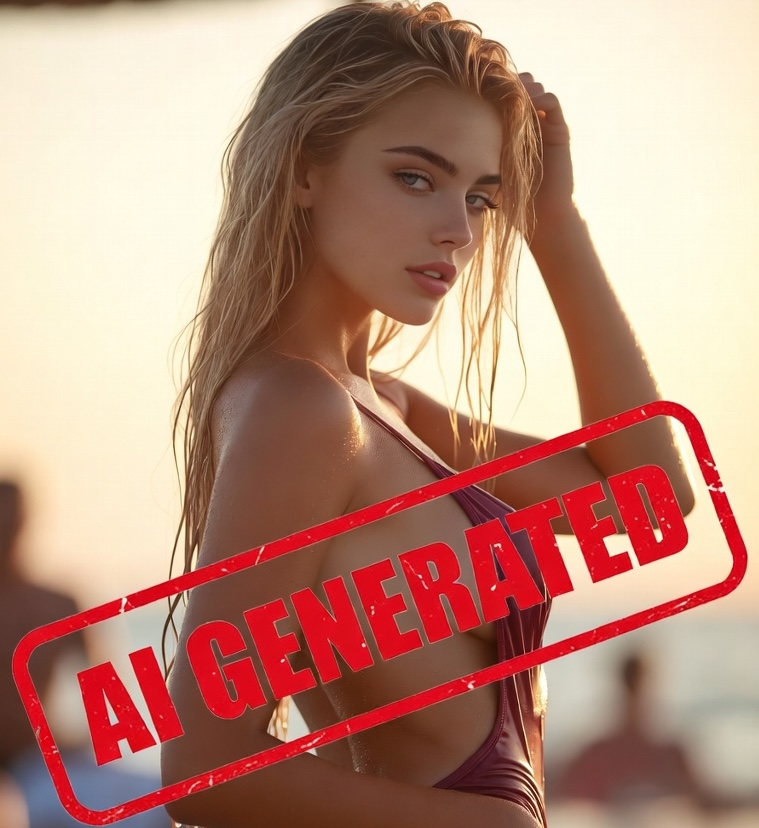
For a few years now, the internet has been filling up more and more with AI-generated text, images and, more recently, videos. This has been particularly prevalent in the adult entertainment sector, which has always been a technological pioneer. Now the political sphere has responded: From 2 August 2026, the requirement to label AI-generated content will apply throughout the EU (and therefore also in Germany) in accordance with EU Regulation 2024/1689 (‘AI Act’), in particular Article 50. The aim is to protect users from mistaking artificially generated content for the real thing – particularly in the case of so-called ‘deepfakes’. But it also affects many other areas. The labelling requirement does not apply to every use of AI, but primarily when AI-generated content “appears realistic, imitates real persons, actions or situations, or is potentially misleading.” Such content is not automatically prohibited, but it must be clearly and easily identifiable as “AI-generated”. This must apply both to human viewers and – for example, through digital watermarks – to automated classification. If a real person has been imitated without their consent, entirely different regulations naturally apply – as is already the case.
Impact on the adult industry
Many will view the regulations with mixed feelings, so to speak. On the one hand, the credibility of many services could improve if all parties involved are more or less protected from AI-generated rubbish. On the other hand, the cost-effective, AI-assisted creation of promotional material, for example, will naturally become more difficult. It will become ‘interesting’, for example, for producers who have, in some cases, been obtaining written permission from models in model releases – for instance during a shoot – to use the content created for their own future AI-generated content. Whether this is permissible for practically any purpose, written consent or not, is controversial in any case. In any case, AI-generated photos or videos will have to be labelled accordingly in future, and will then only partially fulfil the intended purpose of the production at best.
Retroactivity: strictly speaking, no, but…
Equally intriguing is the question of whether content generated before 2 August 2026 will also be required to carry the appropriate label from the cut-off date onwards. In principle, the regulation does not initially include any so-called retroactive obligation. However, this does not mean the all-clear has been given. If old content is actively disseminated after 2 August 2026 (e.g. in advertising campaigns, reposted on the homepage, prominently featured in recommendations or sent via newsletter), labelling is recommended from that point onwards. The obligation is linked to dissemination/use, not just to the date of creation. For providers of AI systems (e.g. when using proprietary generative tools), transitional arrangements apply. For systems that were on the market before 2 August 2026, some proposals (Digital Omnibus) are discussing an extension until February 2027. However, this relates more to the technical labelling of new outputs than to the retroactive labelling of old content.
Interpretation, warning letters, complaints …
As with any new legislation, it will only become clear over time exactly how the courts interpret and apply it. One thing is certain, however, particularly in Germany: warnings and legal complaints will affect careless providers. Everyone is therefore strongly advised to seek expert advice on how the AI Act applies specifically to their own services. We cannot, at this stage, offer any legal advice or guarantees. This article is intended solely to facilitate a general understanding of the relevant content and, above all, to raise awareness amongst everyone!
